Brushy Creek to the modern city
The History of Round Rock
Round Rock grew around water, a limestone landmark and a dependable creek crossing. Cattle trails brought traffic; the railroad moved the town; a gunfight created a legend; and a technology headquarters helped turn a small agricultural community into one of Central Texas’s defining cities.
Quick facts
- Settled
- 1848
- Jacob M. Harrell opened a shop on the north bank of Brushy Creek.
- Named
- August 24, 1854
- The post office adopted Round Rock, named for the limestone landmark in Brushy Creek.
- The landmark
- A low-water crossing
- The round rock helped travelers identify a reliable crossing used by a Chisholm Trail feeder route.
- Railroad arrives
- 1876
- Tracks southeast of the first settlement pulled commerce toward today’s Downtown.
- Sam Bass
- July 19, 1878
- The outlaw was mortally wounded in a gunfight with Texas Rangers and local officers.
- Modern turning point
- Dell, 1994
- Dell’s headquarters move helped transform Round Rock into a major technology and employment center.
Era by era
Eight chapters that made Round Rock
- 1
Before the 1800s
A landscape shaped by Brushy Creek
People lived along Central Texas waterways for thousands of years before a town appeared here. Brushy Creek supplied water, food, stone and a natural travel corridor. Spanish expeditions later crossed the wider region on branches of El Camino Real, but the creek remained the feature that determined where later settlers, roads and cattle routes would pass.
- Human activity from roughly 8000 BCE
- Brushy Creek travel corridor
- Central Texas Indigenous homelands
- 2
1840s–1854
Brushy Creek becomes Round Rock
Washington Anderson settled east of the future town in 1843 and established an early mill. In spring 1848, blacksmith Jacob M. Harrell opened a shop on the north bank of Brushy Creek, forming the center of a small settlement first called Brushy Creek. First postmaster Thomas C. Oatts and Harrell proposed the name Round Rock for the large, rounded limestone rock beside their fishing spot. The post office made the name official in 1854.
- Jacob M. Harrell
- Thomas C. Oatts
- Post office renamed in 1854
- 3
1860s–1875
Cattle, mills and the road north
After the Civil War, cattle drives turned the Brushy Creek crossing into a busy stopping point. The route through Round Rock connected Texas ranch country with the better-known Chisholm Trail system leading north. The old wagon ruts, the namesake rock and several historic homes still mark this first townsite. Local industry included milling, wool carding, cotton ginning and wagon-related trades.
- Chisholm Trail feeder route
- Natural creek crossing
- Old Town takes shape
- 4
1876–1877
The railroad moves the center of town
The International–Great Northern Railroad laid tracks about three-quarters of a mile southeast of the original settlement in 1876. Merchants followed the trains, first operating from a tent city near the depot. The rail-side commercial district became New Town—today’s Downtown—while the settlement by the creek became Old Town. Round Rock’s two historic centers still tell that story on the ground.
- International–Great Northern Railroad
- Old Town and New Town
- Present-day Downtown emerges
- 5
July 1878
The Sam Bass gunfight
Informant Jim Murphy warned authorities that Sam Bass and his gang planned to rob the Round Rock bank. On July 19, Texas Rangers and local officers confronted members of the gang in town. Deputy Sheriff A. W. Grimes and gang member Seaborn Barnes were killed; Bass was wounded and escaped. He was found the next morning and died on July 21, his twenty-seventh birthday. He is buried in Round Rock Cemetery. Later Robin Hood stories made him a legend, but historians caution that much of the romantic version is folklore.
- Gunfight on July 19, 1878
- Texas Rangers
- Round Rock Cemetery
- 6
1880s–1950s
A small agricultural and trade center
Rail access supported cotton, livestock and local commerce, while churches, schools, banks, mills and newspapers gave Round Rock the institutions of a permanent town. The Round Rock Institute served students on College Hill before fire destroyed its later building in 1913. Stone and brick storefronts around Main Street became the commercial heart of the community, and many remain within the historic district.
- Cotton and livestock economy
- Round Rock Institute
- Main Street commercial district
- 7
1960s–1980s
Austin grows north—and Round Rock changes
For much of the twentieth century Round Rock remained a modest farming town. Regional highways, suburban housing and the growth of nearby Austin changed its pace after mid-century. The local library began in 1962 through the work of the Ladies Home Demonstration Club. By the 1980s, preservation efforts were documenting the old commercial district even as new neighborhoods spread outward.
- Round Rock Public Library, 1962
- Suburban expansion
- Historic district listed in 1983
- 8
1994–today
From bedroom community to technology center
Dell moved its headquarters to Round Rock in 1994 after a landmark economic-development agreement. The company’s growth brought jobs, revenue and international recognition, while the city worked to diversify beyond a single employer. Hospitals, education, logistics, retail and tourism expanded alongside technology. Dell Diamond opened in 2000, and the Round Rock Express gave the city a new civic gathering place and a national sports identity.
- Dell headquarters, 1994
- Dell Diamond, 2000
- Regional employment center
From the record
Historic Round Rock landmarks
These openly licensed photographs document places that still connect today’s city to its earlier chapters.
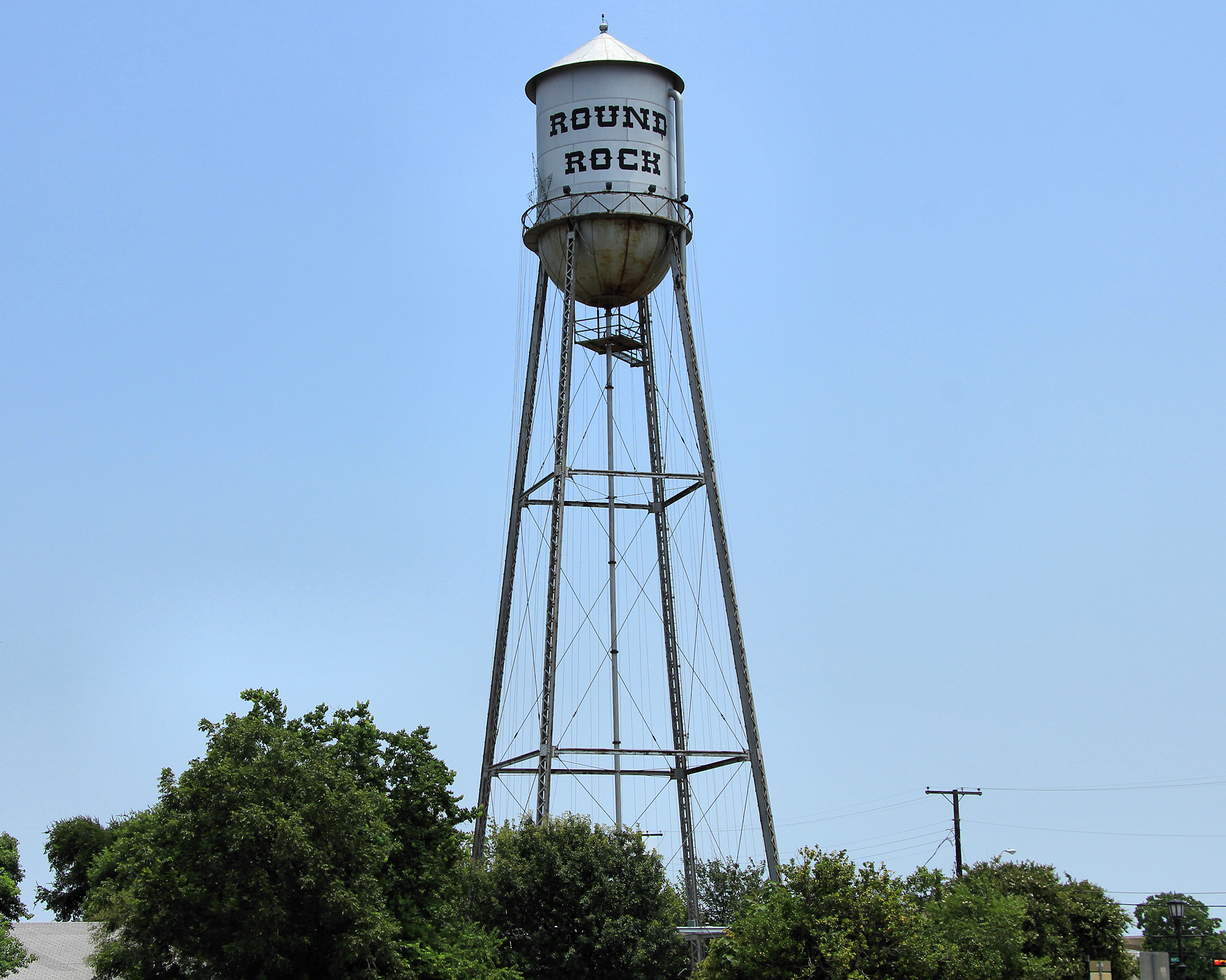
Historic Round Rock water tower
A familiar landmark above the historic core, photographed in 2014.
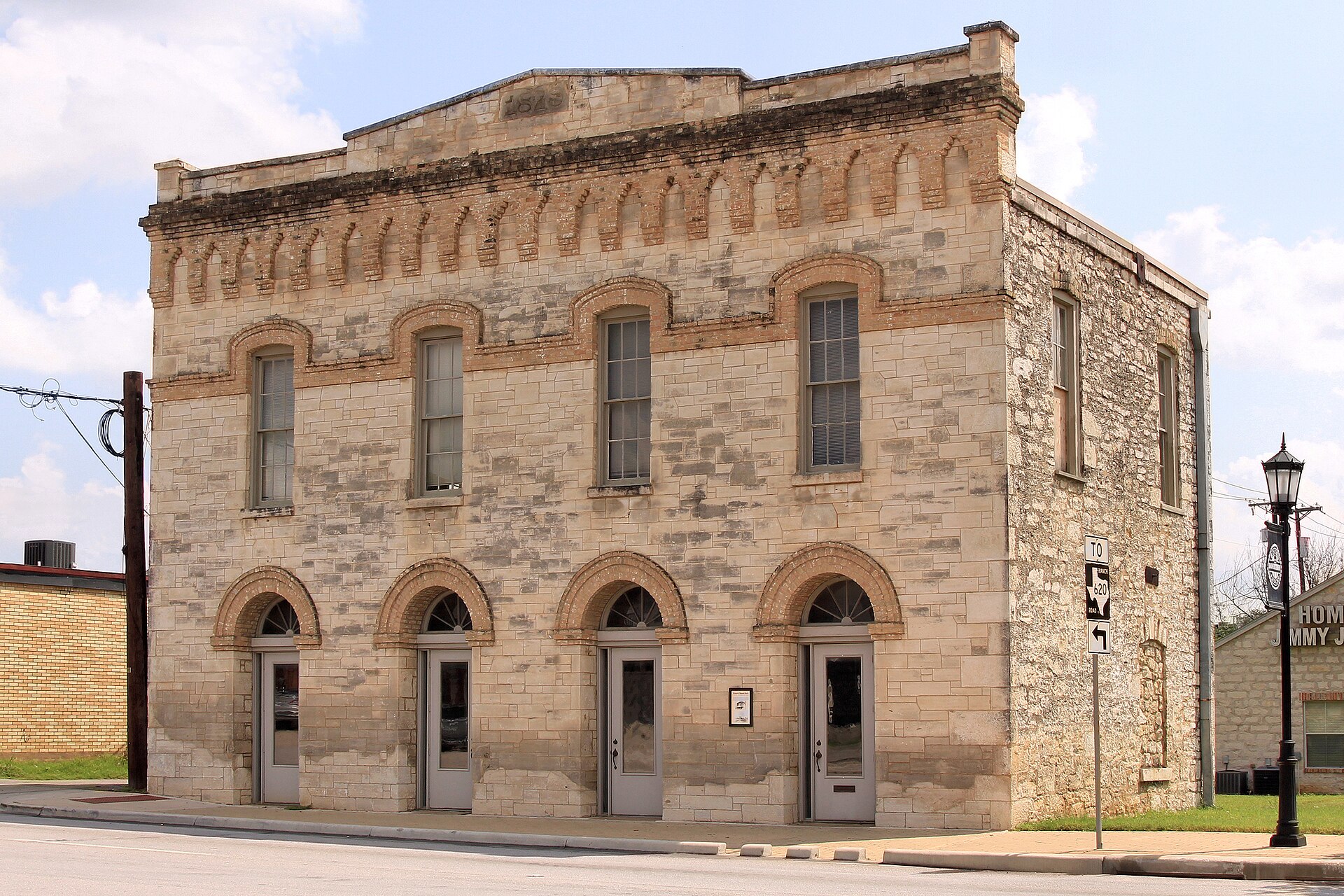
Larry D. Moore, CC BY 4.0 (opens in a new tab)Old Post Office Building
The 1878 building anchors the story of railroad-era New Town and today’s historic Downtown.
Larry D. Moore, CC BY 4.0 (opens in a new tab)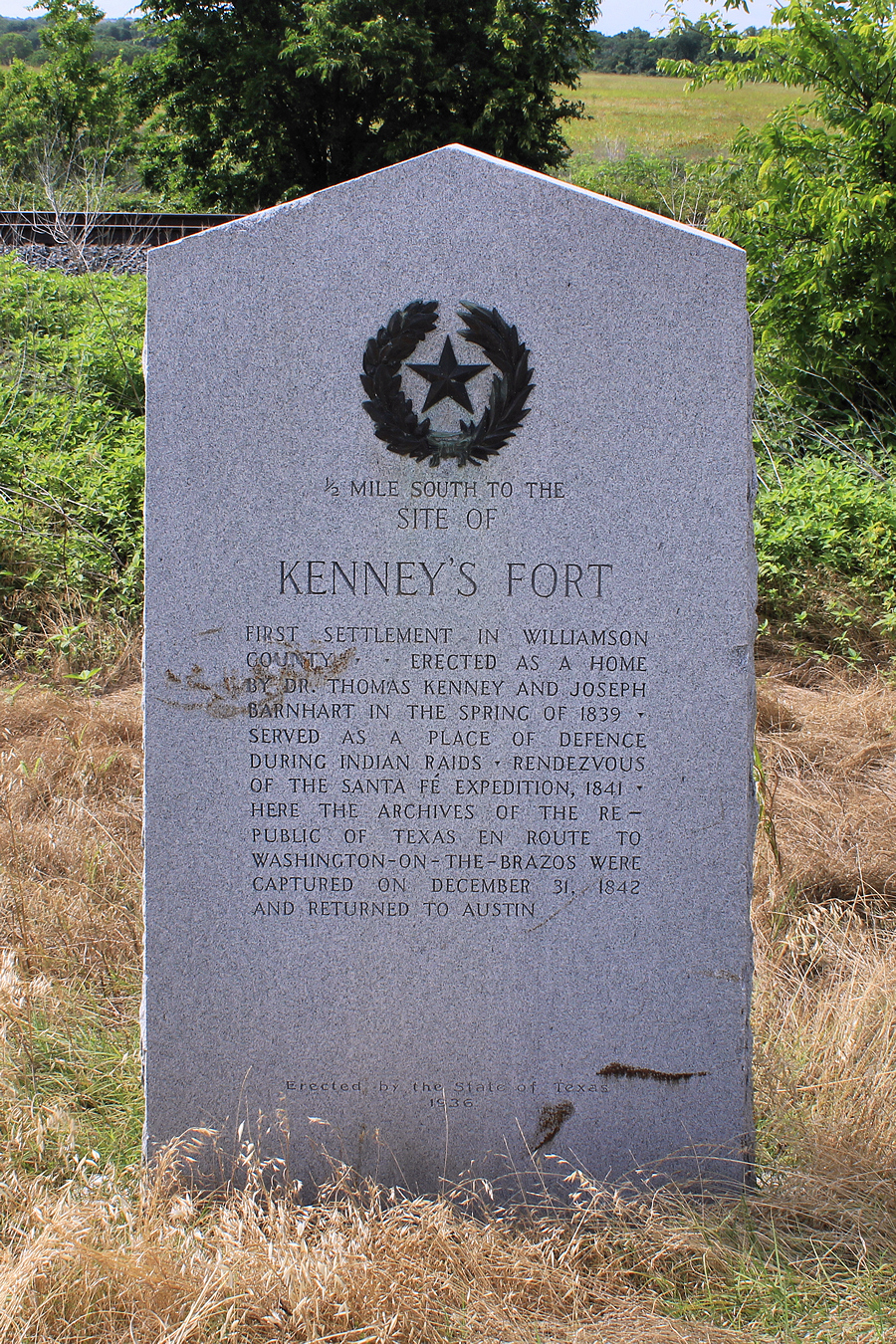
Kenney’s Fort Centennial marker
The 1936 marker commemorates one of the early frontier settlements in the Brushy Creek area.
Larry D. Moore, CC BY 4.0 (opens in a new tab)
See it yourself
History still standing
Round Rock’s history is unusually easy to walk: begin at the creek and Old Town, follow the story toward the railroad-era storefronts Downtown, then visit the cemetery and markers that preserve the people behind the legends.
The Round Rock
Natural landmark
The limestone rock in Brushy Creek gave the city its name and marked the historic low-water wagon crossing. It can be seen from the Chisholm Trail Crossing area.
Old Town
1848 onward
The first settlement clustered along present-day Chisholm Trail Road. Historic homes and interpretive markers preserve the story of the creek crossing and cattle-drive era.
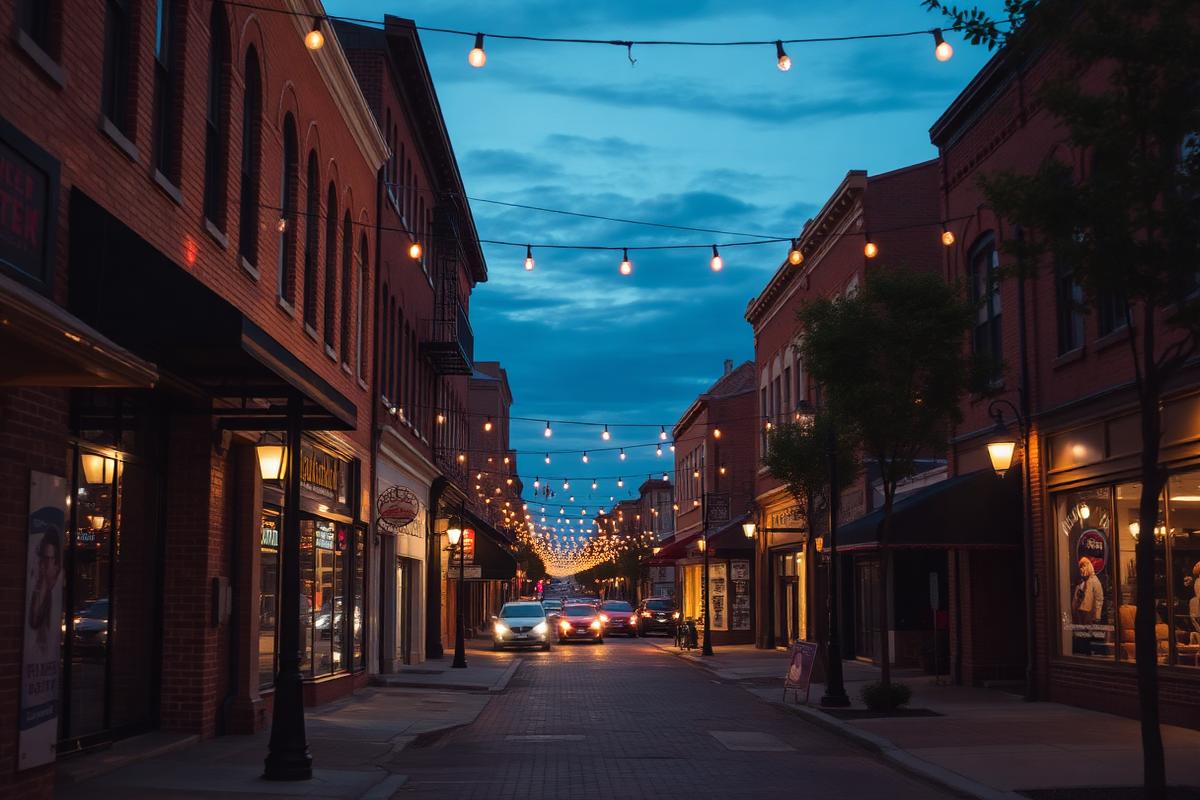
Downtown Historic District
1876 onward
The railroad-era New Town remains centered on Main Street, where historic commercial buildings now house restaurants, shops and gathering spaces.
Old Post Office Building
Built 1878
One of Downtown’s oldest commercial structures and part of the National Register-listed Round Rock Commercial Historic District.
Round Rock Cemetery
19th century onward
The burial place of Sam Bass and generations of Round Rock residents. Visitors should treat this active cemetery with care and respect.
Kenney’s Fort marker
Frontier era memorial
A Texas Centennial marker recalls Thomas Kenney’s nearby fort and the network of early settlements along Brushy Creek.
People in the Round Rock story
Jacob M. Harrell
A blacksmith and early settler whose 1848 shop helped establish the Brushy Creek community. He and Thomas C. Oatts chose the name Round Rock.
Thomas C. Oatts
The settlement’s first postmaster and co-namer of Round Rock, officially adopted by the post office in 1854.
Washington Anderson
An early settler and miller whose work along Brushy Creek predates the formal founding of the town.
Sam Bass
The train and stagecoach robber whose fatal 1878 gunfight made Round Rock part of Texas outlaw lore—though the popular legend often outruns the documented facts.
A. W. Grimes
Williamson County deputy sheriff killed during the confrontation with the Bass gang. A downtown street bears his name.
Michael Dell
Founder of Dell Technologies, whose company’s 1994 headquarters move became a defining event in modern Round Rock’s economy.
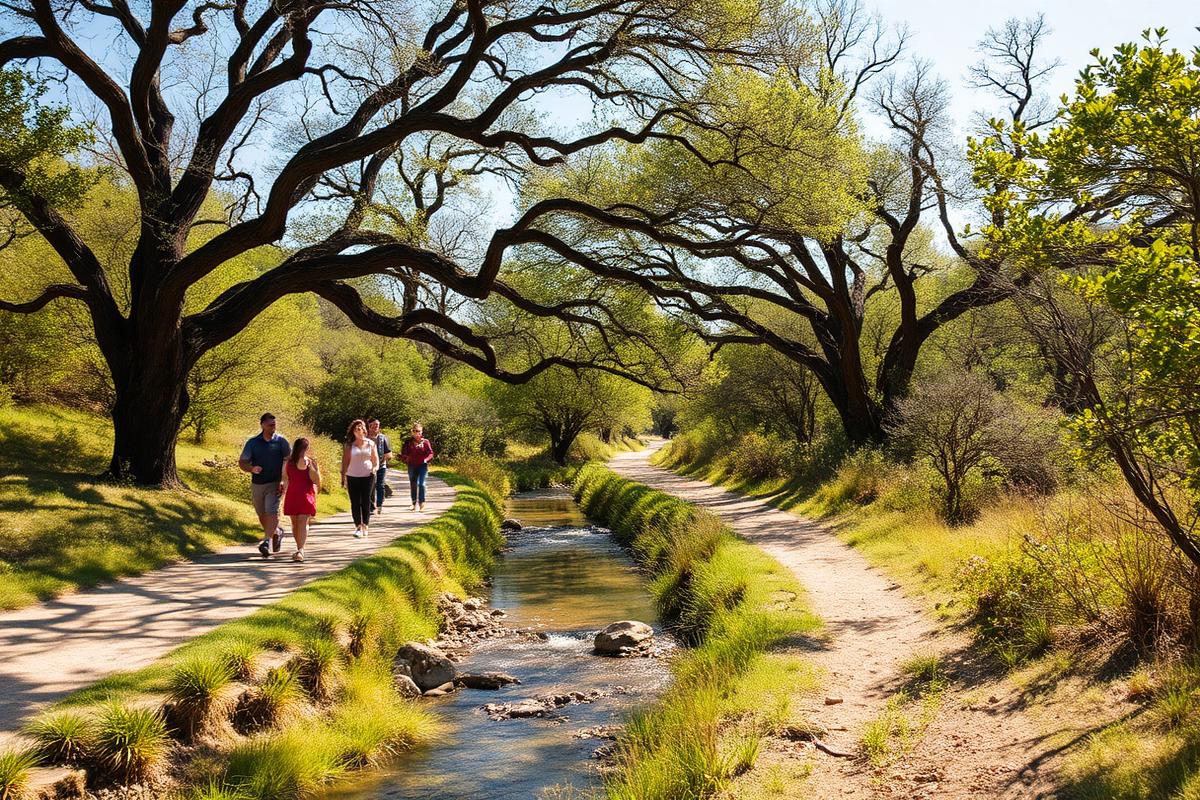
Walk the story
Start at Chisholm Trail Crossing Park and the namesake rock. Continue through Old Town, then head to Main Street and the railroad-era Downtown district. Finish at Round Rock Cemetery, where the Sam Bass story meets the documented record.
Open the city’s historic sites guide (opens in a new tab)